

Essential Newborn Care: A Complete Guide for the First 40 Days
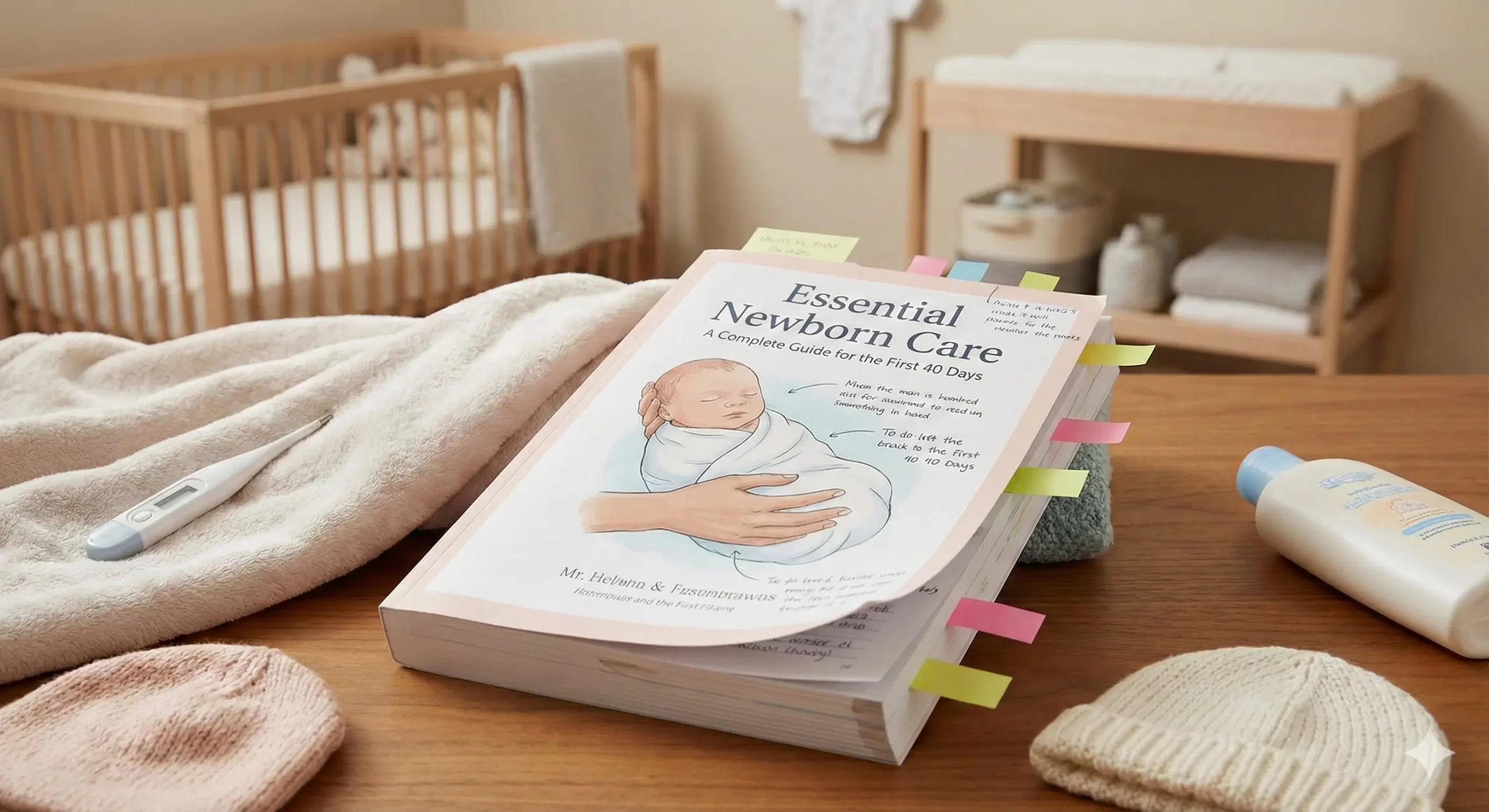
The first 40 days of your baby’s life are a precious and transformative period filled with joy, challenges, and countless learning moments. This crucial timeframe, often referred to as the “fourth trimester,” requires special attention to ensure your newborn thrives during this delicate developmental stage. Understanding proper newborn care during these early weeks will help you build confidence as a parent while ensuring your baby’s health and wellbeing.
Understanding Your Newborn’s Needs
Newborns are remarkably fragile yet surprisingly resilient. During the first 40 days, your baby is adjusting to life outside the womb, developing vital systems, and learning to interact with the world. This period is characterized by rapid growth, frequent feeding, and significant developmental milestones that lay the foundation for your child’s future health.
Feeding Your Newborn: Nutrition Fundamentals
Proper nutrition is the cornerstone of newborn care. Whether you choose breastfeeding, formula feeding, or a combination of both, understanding your baby’s nutritional needs is essential.
Breastfeeding Basics
Breastfeeding provides optimal nutrition and antibodies that protect your newborn from infections. During the first 40 days, expect to feed your baby 8-12 times daily, as newborns have small stomachs and digest breast milk quickly. Watch for hunger cues like rooting, hand-to-mouth movements, and fussiness rather than relying solely on a schedule.
Formula Feeding Guidance
For parents using infant formula, choosing a high-quality product like Aptamil ensures your baby receives essential nutrients for healthy development. Aptamil formulas are scientifically designed to support your baby’s immune system and digestive health during these critical early weeks. Always prepare formula according to package instructions, using sterilized bottles and maintaining proper hygiene.
Newborns typically consume 2-3 ounces per feeding in the first weeks, gradually increasing as they grow. Feed on demand, which usually means every 2-4 hours, including nighttime feedings.
Sleep Patterns and Safe Sleep Practices
Sleep is vital for your newborn’s growth and brain development. During the first 40 days, babies sleep approximately 16-18 hours daily, though this is broken into short periods throughout the day and night.
Creating a Safe Sleep Environment
Always place your baby on their back to sleep on a firm mattress without pillows, blankets, or stuffed toys. The sleep area should be free from hazards, and room temperature should remain comfortable to prevent overheating. Consider room-sharing without bed-sharing for the first six months to reduce the risk of Sudden Infant Death Syndrome (SIDS).
Establishing Healthy Sleep Habits
While newborns don’t follow predictable schedules initially, you can begin establishing gentle routines. Create a calm environment for nighttime sleep with dim lighting and minimal stimulation. Daytime naps can occur in lighter, noisier environments to help your baby differentiate between day and night.
Hygiene and Bathing Essentials
Maintaining proper hygiene protects your newborn’s delicate skin and prevents infections during these vulnerable first weeks.
Umbilical Cord Care
Keep the umbilical cord stump clean and dry until it falls off naturally, typically within 1-3 weeks. Fold diapers below the stump to prevent irritation, and clean the area with water if it becomes soiled. Contact your pediatrician if you notice redness, swelling, or discharge.
Bathing Your Newborn
Until the umbilical cord falls off, give your baby sponge baths using warm water and gentle, fragrance-free soap. Once healed, you can transition to shallow tub baths 2-3 times weekly. Overbathing can dry out your baby’s sensitive skin. Always support your baby’s head and neck, and never leave them unattended during bath time.
Diapering and Skin Care
Expect 8-12 diaper changes daily during the first 40 days. Frequent changes prevent diaper rash and keep your baby comfortable.
Change diapers promptly after bowel movements and check frequently for wetness. Clean the diaper area thoroughly with water or gentle wipes, wiping front to back for girls. Apply diaper cream containing zinc oxide if redness appears.
Recognizing Health Concerns
Understanding normal newborn behavior helps you identify when medical attention is needed. Contact your pediatrician if your baby exhibits:
- Fever above 100.4°F (38°C)
- Persistent crying or difficulty consoling
- Reduced feeding or fewer than six wet diapers daily
- Yellowing skin or eyes (jaundice)
- Difficulty breathing or blue-tinged skin
- Unusual lethargy or unresponsiveness
Bonding and Developmental Support
The first 40 days are crucial for bonding and supporting your baby’s emotional development. Hold your baby frequently, practice skin-to-skin contact, and respond promptly to their needs. Talk, sing, and make eye contact during awake periods to stimulate language development and strengthen your connection.
Managing Common Challenges
Colic and Fussiness
Many newborns experience fussy periods, particularly in the evening. If crying persists despite feeding, changing, and comfort measures, your baby may have colic. Try gentle rocking, white noise, or holding your baby upright to ease discomfort.
Gas and Digestion
Burp your baby during and after feedings to release swallowed air. If using formula, ensure proper preparation and consider specialized formulas designed for sensitive digestion if gas remains problematic.
Self-Care for Parents
Caring for yourself enables you to care for your baby effectively. Accept help from family and friends, sleep when your baby sleeps, and don’t hesitate to reach out to healthcare providers with questions. The first 40 days are challenging, but remember that this intense period is temporary.
Conclusion
The first 40 days of your newborn’s life require attentive care, patience, and flexibility. By focusing on proper nutrition, safe sleep practices, good hygiene, and responsive parenting, you’ll provide the foundation your baby needs to thrive. Trust your instincts, seek support when needed, and cherish these fleeting early moments with your precious newborn.
Keywords: newborn care, first 40 days baby care, infant feeding, Aptamil formula, breastfeeding newborn, safe sleep practices, newborn hygiene, baby bathing, diaper care, newborn health, bonding with baby, colic management, newborn development, infant nutrition, parenting tips

Monitor your child’s growth
Compare your child’s weight with other children their age
Need advice?
Our team of experts is ready to answer your questions and support you on your journey from pregnancy to toddler hood. For more information and relevant advice, please contact us between 9am-5pm from Sunday to Thursday.